Coloring books are, precisely, such a product of adults that celebrates a realistic depiction and reduce children's art activity to a single "correct" way: neat and precise coloring of a surface inside the given outline - with a strong request not to draw over it! An interesting request for a three-year old for example! It is so obvious that there is no room here for expressive doodles that are so characteristic for kids of this age. Should I mention that the accuracy and precision are not inherent in the visual arts! Think, for example - Jackson Pollock or Van Gogh. How neat and precise are their pictures?
Jean Van't Hul from the blog The Artful Parent writes about the reasons to avoid coloring books for children in her article for Babble and says: · Coloring books teach children to be passive about their art. Rather than drawing something themselves, they are coloring in adult-drawn images. What kind of message this sends to children?
· Coloring books teach children to compare their art to an adult’s. They teach them that adults draw "better", that children do not know how to draw well, and that they are good enough just to color in other people's drawings.
· Coloring books set children up for failure. Coloring books impose a rule to color within the lines - and what if the line is crossed? It is treated as an error and failure. This unapproprieted request for children sets a sense of failure that discourages them for further creation.
· Scribbling is linked to future literacy. The more toddlers scribble and draw, the easier it is for them to learn to write later. As toddlers scribble, they learn to make all the shapes necessary to write the alphabet. Coloring inside predetermined lines doesn’t allow this to happen.
· Coloring books prevent children to present their personal interpreatation of the world.
Similarly, "dot to dot" drawings (in which the child makes a drawing by drawing lines from dot to dot that are marked by numbers), cookie-cutters, sand molds, stamps with cartoon characters and similar 'so called creative' toys - actually have a negative impact on children's artistic expression and should be avoided.
Bojanke su, upravo, takav jedan proizvod odraslih, koji veliča realistički prikaz a likovnu aktivnost dece svodi na jedan jedini "ispravan" način a to je: uredno i precizno bojenje površine unutar zadatih linija - koje nikako ne bi smelo tom prilikom preći! Zanimljiv zahtev za npr. jednog trogodišnjaka! Ekspresivnom žvrljanju kojem su mnoga deca tog uzrasta sklona - ovde nema mesta. Osim toga, urednost i preciznost uopšte nisu svojstveni likovnoj umetnosti! Setite se npr. Džeksona Poloka ili Van Goga. Koliko su njihove slike uredne i precizne?
Jean Van't Hul sa bloga The Artful Parent u svom članku za Babble piše o razlozima zbog kojih bi trebalo izbegavati bojanke za decu i među njima navodi: · Bojanke uče decu da budu pasivna u odnosu na sopstveno stvaralaštvo. Umesto da sama nešto nacrtaju, ona samo boje crteže odraslih. Kakvu poruku ovo šalje deci?
· Bojanke uče decu da stalno porede svoje crteže sa crtežima odraslih. Uče ih da odrasli crtaju "bolje", a da deca ne umeju da crtaju, te da su dovoljno dobra samo da oboje tuđe crteže.
· Bojanke nameću pravilo da se boji unutar linija - a šta kada se linija pređe? To se tretira kao greška. U startu se pred decu stavlja zahtev koji ne mogu izvršiti, i to kod dece izaziva osećaj neuspešnosti koji ih demotiviše za dalje stvaranje.
· Žvrljanje priprema decu i za pisanje. Žvrljajući deca spontano proizvode i uče sve pokrete i oblike koji su neophodni kasnije za pisanje slova. Bojenje unutar zadatih linija to ne omogućava.
· Bojanke onemogućavaju decu da prikažu svoju ličnu interpreatciju sveta. Bojanke su interpreatcije sveta odraslih i zato su one prepreka likovnom razvoju.
Na sličan način crteži tipa "tačka po tačka" (u kojem dete izrađuje crtež povlačeći linije od tačke do tačke koje su obeležene brojevima), modle za kolače, kalupi za pesak, pečati sa likovima iz crtanih filmova i slični "kreativni" proizvodi - zapravo loše utiču na dečji likovni izraz i trebalo bi ih izbegavati.

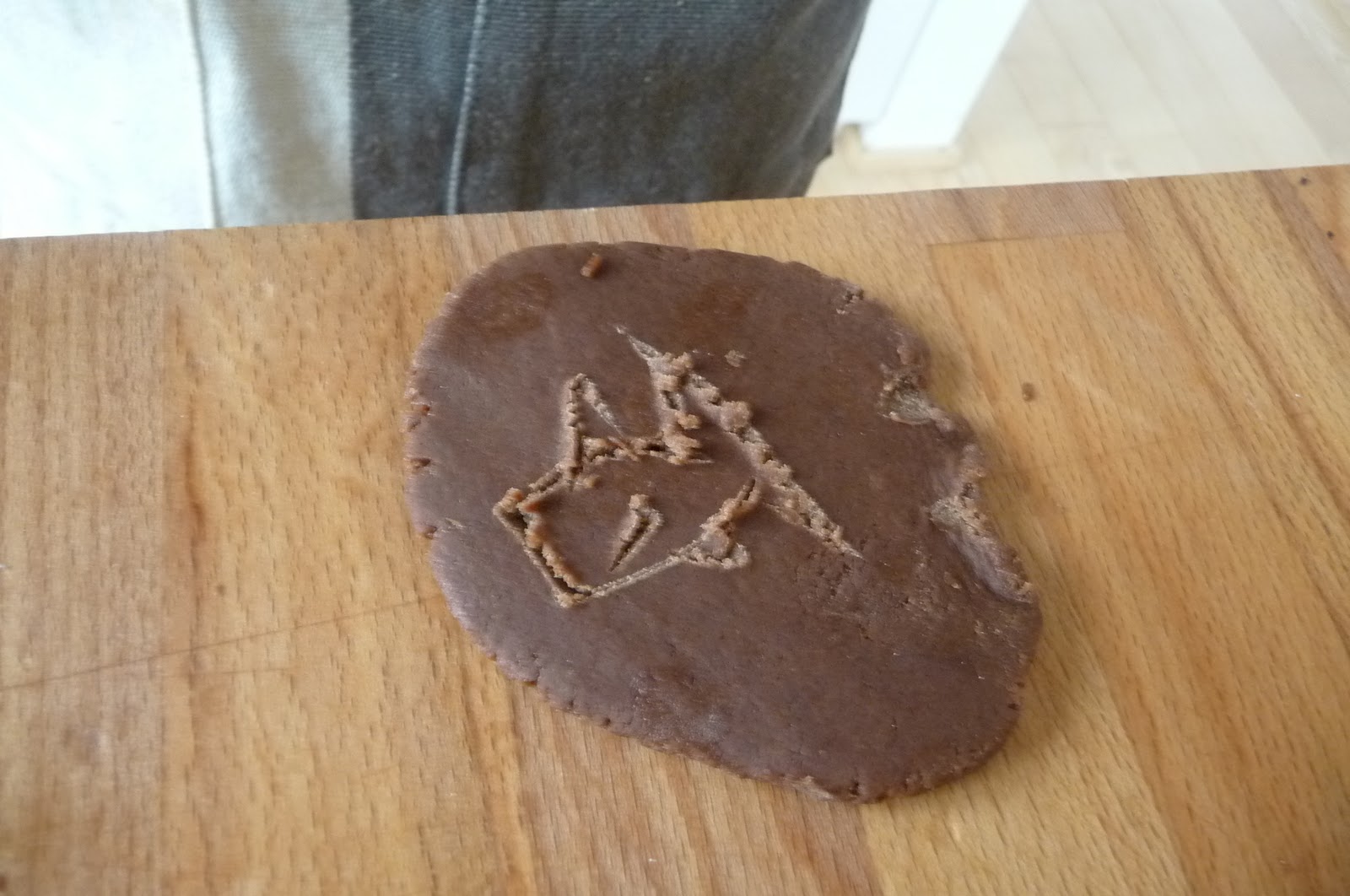
However, I think that one should not make too much drama out of the whole thing, and in order to avoid a counter-effect and longing - which bans of any kind can produce - I allow our winter cookie-cutters to periodically visit our kitchen. If those are not offered to children as the only form of creation, but only occasionally and in special circumstances, then, I guess they can't be so harmful. Or am I wrong?
Međutim, ne treba praviti ni preveliku dramu od cele stvari, i da bih izbegla kontra-efekat i čežnju, koju zabrane svake vrste mogu da proizvedu, dopuštam našim zimskim modlama za kolače da povremeno posete našu kuhinju. Ukoliko se one ne nude deci kao jedini vid stvaranja, već samo ponekad i u posebnim prilikama, onda, pretpostavljam da ne mogu biti toliko štetne. Ili grešim?